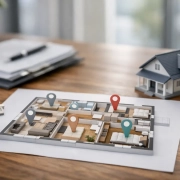

Do Floor Plans Help Rental Listings?

A renter clicks your listing, scrolls through the photos, likes the kitchen, and then leaves because they still cannot tell how the bedrooms connect, where the living space sits, or whether the layout actually fits their needs. That is where the real answer to do floor plans help rental listings becomes obvious. Yes, they do – because photos sell appearance, but floor plans sell understanding.

For rental professionals in Orlando and across Orange County, that distinction matters. Renters move fast, compare multiple listings at once, and often decide within minutes whether a property is worth a tour. If the layout is unclear, interest drops. If the layout is easy to understand, the listing does a better job of converting attention into action.

Why do floor plans help rental listings?

They help because a rental decision is not only about finishes or price. It is also about fit. A prospective tenant wants to know whether the second bedroom is far enough from the primary, whether there is room for a home office, whether the dining area is separate from the living room, and whether the overall flow makes sense for daily life.

Photos rarely answer those questions on their own. Even a strong photo set can leave gaps. Wide-angle shots can make rooms look larger than they are, and image order does not always explain how one room connects to the next. A floor plan solves that problem by showing the layout in one clear view.

That clarity matters for every type of renter, but especially for families, roommates, remote workers, and tenants relocating from outside the area. These renters are not just asking, “Is this home attractive?” They are asking, “Will this layout work for how I live?”

Floor plans reduce confusion before the showing

One of the biggest advantages of adding a floor plan to a rental listing is that it filters interest in a useful way. More people understand the property before they schedule a tour. That means fewer wasted showings and better-qualified inquiries.

This is a practical benefit, not a cosmetic one. When a renter can see room labels and dimensions, they can make a more informed decision before reaching out. They can rule themselves in or out based on actual layout needs. That saves time for agents, brokers, and property managers who would rather spend their schedule on prospects with real intent.

There is a trade-off here worth acknowledging. A floor plan can make a tight layout feel more honest than flattering. But that honesty often works in your favor. Misaligned expectations create bad showings, weak applications, and higher fallout. Clear expectations create better conversations and stronger conversion.

Better listing engagement starts with better information

Rental listings compete in a crowded feed. At the first stage, the goal is simple: get the click. At the next stage, the goal is just as important: hold attention long enough to move the renter toward contact.

Floor plans support both.

A listing with a professional floor plan gives prospects another reason to stay engaged. It feels more complete, more credible, and more useful. That matters because serious renters are comparing not just properties, but listing quality. The listing that makes decision-making easier usually has the advantage.

In a performance-driven marketing environment, more complete listings often generate stronger engagement metrics. More clicks, more time on page, more saves, and more serious inquiries are not accidental. They come from reducing uncertainty.

For rental marketers, uncertainty is expensive. It lowers response quality, slows decisions, and creates more friction between initial interest and actual application.

Do floor plans help rental listings attract better leads?

Yes, and this is one of the strongest business cases for using them.

Not every inquiry is a good inquiry. A high volume of low-intent leads can create more work without improving occupancy. Floor plans help by giving prospects enough information to self-qualify.

A renter who studies the layout before reaching out is usually further along in the decision process. They are not asking basic questions the listing should have answered. They are evaluating specifics. That often leads to more productive conversations and faster next steps.

For example, a roommate household can quickly see whether bedroom placement offers enough privacy. A remote worker can identify whether a den or secondary bedroom will function as office space. A family can assess traffic flow and bedroom arrangement. These are the details that drive real rental decisions.

When those questions are answered early, the people who contact you are more likely to be serious.

Floor plans support faster decisions

Speed matters in rental marketing. The longer a unit sits, the more carrying cost, operational drag, and pricing pressure can build around it. Anything that helps a prospect decide faster has real value.

A floor plan shortens the gap between interest and confidence. Instead of waiting for a showing to understand the property, renters can evaluate key layout details online. That can move them from casual browsing to active consideration much faster.

This is especially useful for out-of-town applicants, investor-owned properties, and high-turnover leasing cycles where quick placement matters. When the listing presents the space clearly, renters can decide whether the property deserves immediate attention.

Fast decisions do not mean rushed decisions. They mean fewer unnecessary delays caused by missing information.

Not all floor plans add the same value

There is an important difference between a rough sketch and a professional floor plan. If the asset is hard to read, missing dimensions, or visually inconsistent with the rest of the listing, it will not deliver the same result.

A professional 2D floor plan should be clean, legible, and easy to interpret on both desktop and mobile. Room labels matter. Dimensions matter. Proportion and presentation matter. The goal is not to decorate the listing. The goal is to communicate the property clearly and professionally.

That is why many agents and property marketers treat floor plans as an essential marketing asset, not an optional extra. When the listing presentation is stronger, the property competes better.

Where floor plans matter most in rental marketing

Some rental listings benefit from floor plans more than others, although the value is broad.

They are especially effective for larger homes, unusual layouts, split-bedroom plans, properties with bonus rooms, and any listing where photos alone do not tell the full story. They also help when marketing to relocating tenants who may not have the option to view the property immediately.

Smaller units can benefit too, particularly when space efficiency is part of the selling point. A well-presented floor plan can show how a compact layout works better than photos suggest.

The only time the impact may be less dramatic is in very standard layouts where renters already know what to expect. Even then, better clarity still improves presentation.

The rental listing advantage in a competitive market

In a market as active as Orlando and Orange County, small presentation upgrades can produce meaningful results. A stronger listing does not always require more ad spend. Sometimes it requires better information.

That is the case for floor plans. They help prospects visualize the home, understand the layout, and make decisions with more confidence. For agents, brokers, investors, and property managers, that can mean more qualified leads, fewer wasted showings, and a smoother path from listing to lease.

This is also why services like PLANtoSELL are built around speed and accuracy. When floor plans are measured on-site and delivered as polished marketing assets, they become easy to use and easier to justify. The return is not theoretical. It shows up in listing performance.

So, do floor plans help rental listings enough to justify the cost?

For most professionally marketed rentals, yes.

If your listing photos look good but prospects still struggle to understand the space, a floor plan solves a real marketing problem. If your team spends time answering layout questions, managing mismatched expectations, or hosting unproductive tours, a floor plan improves efficiency. If your goal is to help listings stand out and convert attention into serious inquiries, this is one of the simplest upgrades you can make.

The best rental listings do more than attract views. They give renters enough confidence to take the next step. A floor plan does exactly that by turning a set of images into a property people can actually understand.

When a renter can picture how they will live in the space, the listing has already done half the job.

Room Labels Floor Plan Real Estate Value

A buyer clicks into a listing, swipes through the photos, and still asks the same question: How does this home actually flow? That gap is exactly where room labels floor plan real estate assets do their best work. They turn a collection of images into a clear layout story, helping buyers understand the property faster and helping agents generate better-qualified interest.

In a competitive Orlando-area market, clarity is not a small advantage. It directly affects click-throughs, showing activity, and how quickly a buyer feels confident enough to take the next step. A floor plan without labels can still be useful, but a labeled floor plan answers more questions upfront. That matters when buyers are comparing several homes in a single session and making quick decisions about which listings deserve their attention.

Why room labels matter on a real estate floor plan

Photos create emotion. A floor plan creates understanding. Room labels connect the two.

When a buyer sees a room called out as Primary Bedroom, Office, Bonus Room, Breakfast Nook, or Covered Patio, the layout becomes easier to read and easier to remember. Instead of guessing what they are looking at, they can instantly understand function. That reduces friction in the decision process and makes the listing feel more complete.

This is especially valuable in homes with flexible spaces. An unlabeled room may leave buyers unsure whether they are seeing a formal dining room, den, or fourth bedroom. A labeled floor plan removes that uncertainty. It tells the buyer how the home is organized and where each space sits in relation to the rest of the property.

For agents and brokers, that added clarity can improve the quality of inquiries. Buyers who reach out after reviewing a labeled plan are often further along in their decision-making because they already understand the layout. That can lead to more productive showings and fewer wasted conversations.

Room labels floor plan real estate buyers actually use

A floor plan is not just a design asset. It is a sales tool. The reason room labels work so well is simple: buyers use them.

Many buyers do not start by studying dimensions in detail. They start by trying to answer practical questions. Where are the bedrooms? Is the kitchen open to the living area? Is there a separate laundry room? Does the patio connect directly to the main entertaining space? Labels help them get those answers in seconds.

That speed matters online, where attention is limited. Listings compete in a crowded search environment, and the easier a property is to understand, the more likely a buyer is to stay engaged. If the layout is confusing, they move on. If the layout is clear, they are more likely to save the listing, share it, or schedule a showing.

This is also why labeled floor plans work well for rental listings and investor marketing. Renters want to know how a unit is set up before committing time to a tour. Investors want fast visibility into bedroom count, common-area flow, and usable space. Room labels make those decisions easier.

Labels reduce guesswork in key spaces

Not every room needs heavy explanation, but key spaces benefit from precise naming. Bedrooms, bathrooms, kitchens, living areas, dining areas, garages, utility rooms, porches, and flex rooms should be obvious at a glance. In larger homes, upstairs lofts, media rooms, and bonus rooms also deserve clear identification.

The trade-off is that labels should help, not overcomplicate. If every inch of the plan is crowded with text, readability suffers. Strong floor plan design balances enough detail to inform the buyer without making the page feel busy.

Labels support dimensions, not replace them

A good floor plan includes both room labels and dimensions because each serves a different purpose. Labels identify function. Dimensions show scale.

For example, knowing that a room is a Bedroom is useful. Knowing that it measures 12′ x 14′ is what helps a buyer decide whether a king bed fits comfortably. The strongest listing assets combine both, giving buyers a better sense of how they would actually live in the space.

What room labels do for listing performance

Real estate marketing works best when it removes hesitation. A labeled floor plan does that by making the home easier to evaluate before the showing.

That can improve listing performance in several ways. First, it can increase engagement because buyers spend more time with listings that answer practical questions. Second, it can support stronger showing activity because buyers feel more confident that the home matches their needs. Third, it can shorten decision cycles because layout concerns are addressed early instead of becoming objections later.

This does not mean a floor plan replaces strong photography, staging, or pricing strategy. It works alongside them. But when the photos attract attention, the floor plan helps convert that attention into action. That is why more agents now treat floor plans as essential marketing assets rather than optional extras.

Where labeled floor plans make the biggest difference

Some properties benefit from room labels more than others, although the upside is broad across resale and rental listings.

Homes with unusual layouts are an obvious case. If the floor plan includes split bedrooms, multiple living areas, additions, converted spaces, or detached structures, labels bring order to what could otherwise feel confusing. The same is true for townhomes and condos where vertical layout matters and buyers need to understand how floors connect.

Vacant homes also gain a lot from labeled plans. Without furniture or visual cues, rooms can feel ambiguous in photos. A floor plan adds the structure those images may lack. In occupied homes, labels help buyers process the layout even when personal belongings distract from room purpose.

At the higher end of the market, labels help showcase value. Calling out features such as a walk-in closet, butler’s pantry, mudroom, or covered lanai gives buyers a fuller picture of what they are paying for. In rental marketing, labels help prospects assess fit quickly, which can reduce low-intent inquiries.

What makes a room-labeled floor plan effective

Accuracy comes first. If room names, dimensions, or wall placements are off, the asset loses credibility. That is why professional on-site measuring matters. Laser measurement and proper drafting produce a cleaner result than rough, hand-built plans or guesswork pulled from tax records.

Design quality matters too. A floor plan should be easy to read on desktop and mobile, since many buyers first view listings on their phones. Labels should be clear, consistent, and placed where they can be read without clutter. The plan should also look polished enough to support the quality of the listing presentation.

There is also a strategic naming decision in some properties. A flex space may be labeled as Office, Bonus Room, or Den depending on how the property is being positioned. This is where experience helps. The right label should be accurate, marketable, and aligned with how buyers search and think.

Common mistakes to avoid

One common mistake is using vague labels that do not help the buyer. A term like Room tells them almost nothing. Another is over-labeling secondary features while missing the main spaces buyers care about.

A third mistake is treating the floor plan as an afterthought. If it is low resolution, visually inconsistent, or buried in the listing, it will not do much work. To get the full benefit, the plan needs to be professional and presented as a core part of the marketing package.

Why this matters for Orlando and Orange County listings

In a market with a steady mix of local buyers, relocations, investors, and renters, speed of understanding matters. Many prospects are reviewing properties remotely before deciding which homes are worth an in-person visit. A labeled floor plan gives them a faster, more reliable way to qualify the property.

That is particularly useful in Central Florida, where buyers may compare suburban single-family homes, townhomes, condos, and rental properties with very different layouts. The more clearly a listing communicates space, the better it can compete. For busy agents, that means less time explaining basic layout questions and more time working with serious prospects.

For teams focused on measurable performance, this is the real point. Room labels are not just cosmetic. They help listings communicate better, attract better attention, and support faster decisions. That is why companies like PLANtoSELL build room labels and dimensions into professional floor plan services instead of treating them as optional details.

If a listing is worth marketing, it is worth making easy to understand. A buyer should not have to guess how a home lives. Give them the layout clearly, label it well, and let the property make its case faster.

Why Room Dimensions on Floor Plan Matter

A buyer clicks into a listing, likes the photos, then hits the same wall everyone hits: How big is the bedroom really? Will the sectional fit? Is the dining area usable, or just technically there? That is where room dimensions on floor plan graphics stop being a nice extra and start doing real marketing work.

For agents, brokers, property managers, and investors, layout clarity is not a cosmetic detail. It affects how quickly prospects understand the property, how confident they feel booking a showing, and how serious they are when they walk through the door. Photos create emotion. A floor plan with dimensions creates confidence. The two work better together, especially in a competitive market where buyers and renters are filtering fast.

What room dimensions on floor plan graphics actually do

A labeled floor plan gives shape to the listing. Adding dimensions gives it meaning. Without measurements, viewers can see where rooms connect, but they still have to guess at scale. That guesswork creates hesitation, and hesitation costs clicks, showings, and momentum.

When dimensions are included, prospects can answer practical questions on their own. They can compare the primary bedroom to their current setup, estimate whether a home office will function, and decide if the living room supports the way they actually live. That changes the quality of engagement. Instead of attracting broad curiosity, the listing starts attracting people who can picture the property working for them.

This is especially valuable online, where every listing gets seconds to hold attention. If the presentation answers the layout question clearly, buyers stay longer. If it leaves them uncertain, they move on.

Why room dimensions on floor plan assets help listings perform

Real estate marketing is not just about generating traffic. It is about helping the right people move from interest to action. Room dimensions help with that because they reduce one of the biggest friction points in residential listings: uncertainty about usable space.

Photos can make rooms feel larger, smaller, brighter, or tighter depending on lens choice, angle, and staging. That is not necessarily a problem, but it does mean photos alone rarely tell the full story. A floor plan with dimensions balances the presentation with something more concrete.

That matters for resale listings, where buyers are weighing furniture fit, family function, and future flexibility. It matters for rental listings too, where prospects often make fast decisions and need to know whether the layout supports immediate move-in needs. In both cases, dimensions help people self-qualify sooner.

Better self-qualification usually leads to better showings. Prospects arrive with fewer surprises. They have already processed the basic footprint. They are not trying to figure out whether the second bedroom is full-size or whether the breakfast area is actually separate from the kitchen. They can spend the showing evaluating the home, not decoding it.

The difference between room labels and room dimensions

A floor plan that says Primary Bedroom, Bedroom 2, Living Room, and Kitchen is useful. A floor plan that says those things and shows measurements is more persuasive. Labels identify function. Dimensions establish scale.

That distinction matters because many listing decisions happen around scale, not just room count. A three-bedroom home is not automatically competitive with another three-bedroom home if one has a 14 x 16 primary bedroom and the other has a much tighter layout. A den is not equally valuable in every property if one can support a desk and storage while another barely fits a chair.

Dimensions make those differences visible without forcing the prospect to guess or wait for a showing. In a crowded market, that clarity can be the difference between a skipped listing and a saved one.

Where dimensions matter most on a floor plan

Not every viewer studies a floor plan the same way, but certain spaces almost always drive decision-making. Bedrooms matter because people immediately start calculating furniture placement. Living rooms matter because buyers want to understand flow and everyday livability. Kitchens and dining areas matter because they shape how the home functions, even when the exact measurement is less important than the relationship between spaces.

Secondary rooms matter too, especially now that flex space carries more weight. A bonus room, office, loft, or enclosed patio often plays an outsized role in perceived value. If those rooms are dimensioned clearly, the listing does a better job of selling the full utility of the home.

There is also a credibility factor. When a plan includes dimensions throughout, it signals that the listing presentation is complete and professionally prepared. That raises confidence in the asset itself and, by extension, in the listing.

Accuracy matters more than decoration

A polished graphic helps, but precision is what protects the value of the floor plan. If room dimensions are off, even by enough to change furniture fit or room perception, the asset stops helping and starts creating risk.

That is why professionally measured floor plans carry more marketing value than rough sketches or agent-estimated layouts. Laser measurement and clean drafting do more than improve appearance. They create a more dependable tool for buyers, renters, and agents alike.

There is also a practical business case here. Accurate room dimensions reduce confusion before the showing and reduce disappointment during the showing. That saves time. It helps avoid wasted appointments with prospects who would have ruled the property out earlier if the layout had been clearer from the start.

Room dimensions on floor plan graphics and buyer psychology

People make property decisions emotionally, but they justify them logically. Photos, video, and staging trigger the emotional response. Dimensions support the logical one.

Once a prospect likes a home, they start asking proof-based questions. Can this room handle a king bed? Is there enough space between the kitchen and dining area? Could this extra bedroom work as a nursery, office, or guest room? Dimensions help answer those questions at the exact moment interest is building.

That timing matters. If the listing does not supply enough clarity, the buyer either leaves to compare easier listings or delays action until they can gather more information. Both outcomes slow momentum. A well-presented floor plan keeps the decision process moving.

When dimensions can change the value story

Some properties are easy to sell visually. Others need help communicating value. Room dimensions are especially effective in listings where the layout is a selling point but not obvious from photos alone.

That includes homes with split-bedroom plans, unusually large secondary bedrooms, open-concept common areas, converted flex spaces, and additions that expand daily function. In these cases, dimensions help the listing prove what the photos suggest.

They also help with smaller homes, condos, and rentals where efficient use of space is the key selling point. A compact property can perform well when the layout is clear and the room sizes are presented honestly. Buyers and renters do not always reject smaller square footage. They reject uncertainty.

A stronger marketing asset for busy agents

For real estate professionals, room dimensions on floor plan materials are not just for the consumer. They improve the listing package itself. Agents can use them in presentations, digital marketing, flyers, and follow-up conversations with prospects who ask layout questions after seeing the property online.

That creates efficiency. Instead of answering the same sizing questions repeatedly, the agent has a visual asset that handles much of the explanation upfront. It also supports better conversations with out-of-town buyers, relocating renters, and investor clients who rely heavily on listing materials before deciding whether to visit.

In a market where attention is short and competition is constant, stronger assets create practical leverage. They help the listing look more complete, communicate faster, and convert interest into better-qualified inquiries.

What to look for in room dimensions on floor plan services

If the goal is better listing performance, the floor plan needs to be more than decorative. It should be professionally measured, easy to read, clearly labeled, and formatted for both print and digital use. Fast turnaround matters too, because a great asset delivered late is a missed opportunity.

For agents working in and around Orange County, Florida, that means choosing a provider that understands residential marketing, not just drafting. The point is not to create a technical drawing for architects. The point is to create a selling tool that helps listings communicate clearly and convert faster. That is the standard PLANtoSELL is built around.

A floor plan should answer the questions that keep buyers from taking the next step. When room dimensions are accurate, visible, and professionally presented, the listing does more of the selling before the first showing even happens.

If a property has a layout worth understanding, it deserves to be shown in a way that makes that value obvious.

Why Laser Measured Floor Plans Matter

A buyer clicks into a listing, scrolls through the photos, likes the kitchen, likes the backyard, then pauses. How does the primary suite connect to the rest of the home? Is there a clear split plan? Does the dining area actually work with the living space? This is where laser measured floor plans stop being a nice extra and start doing real marketing work.

For agents, brokers, property managers, and investors, the issue is simple. Photos create interest, but layout drives decision-making. When a listing includes a professionally prepared floor plan based on on-site laser measurements, buyers spend less time guessing and more time qualifying themselves. That means stronger engagement, better showing quality, and fewer wasted conversations.

What laser measured floor plans actually do

A laser measured floor plan is not just a sketch with room names added later. It starts with an on-site measurement process that captures the home’s layout with precision, then turns that data into a clean, readable 2D floor plan with room labels and dimensions. The end result is a marketing asset that helps people understand how the property lives, not just how it photographs.

That distinction matters in residential resale and rental marketing. Wide-angle photography can make rooms feel larger, and still images can make disconnected spaces look cohesive. A floor plan answers the questions photos often create. Buyers can see traffic flow, bedroom placement, living area relationships, and whether the overall layout fits their needs before they ever request a tour.

For rental listings, the value is just as practical. Prospective tenants often make fast decisions based on convenience and fit. If they can quickly confirm that a unit has the right room arrangement, work-from-home setup, or separation between sleeping and living areas, they move forward faster. If they cannot, they move on.

Why layout clarity improves listing performance

Most real estate professionals already know that listings perform better when they communicate clearly. The challenge is that many listings still rely almost entirely on photos and short property descriptions. That leaves a gap between interest and action.

Floor plans help close that gap. They give buyers and renters context that photos alone cannot provide. That added clarity can improve click-through performance because the listing feels more complete. It can also increase showing activity from better-qualified prospects who already understand the layout and want to confirm the space in person.

There is also a time-saving benefit that should not be ignored. When a listing answers common layout questions upfront, agents spend less time fielding avoidable back-and-forth. Instead of explaining how the guest bedrooms sit relative to the primary suite, or whether the family room opens directly to the kitchen, the floor plan does the work immediately.

That efficiency matters in a competitive market like Orlando and the broader Orange County area. When buyers are scanning multiple listings quickly, the properties that communicate fastest often stay in the consideration set longer.

Laser measured floor plans vs. basic floor plan alternatives

Not all floor plans carry the same value. There is a clear difference between laser measured floor plans and quick, low-detail alternatives.

A rough agent-created sketch may be better than nothing, but it can also introduce doubt. If room sizes look inconsistent or the layout is hard to read, the asset may weaken confidence instead of building it. Buyers notice when marketing looks improvised.

Auto-generated plans based on incomplete inputs can create a different problem. They may look polished at a glance but miss the real flow of the home. Inaccurate proportions or missing details can lead to confusion later, especially when the in-person showing does not match expectations.

Laser-based measurement gives the floor plan a stronger foundation. It supports a more accurate representation of the property’s layout, which protects credibility. That does not mean every floor plan is a legal or appraisal-grade document, and professionals should not present it that way unless it is specifically prepared for that use. But for marketing, accuracy and readability make a measurable difference.

Where these floor plans help most

Some listings benefit from a floor plan more than others, but the truth is that most residential properties gain value from one.

Homes with unusual layouts are an obvious case. If the property has additions, split bedrooms, multi-level living areas, or a detached guest space, buyers need a visual reference to understand it. Without that reference, they may assume the layout is awkward when it is actually a selling point.

Smaller homes and condos also benefit. In tighter footprints, layout efficiency matters more. Buyers want to know how every room connects and whether the space feels practical. A floor plan helps prove that a compact property still lives well.

Luxury listings should absolutely include one. High-end buyers expect complete marketing packages, and omission can make the presentation feel thin. At higher price points, the asset supports a more polished brand image for both the listing and the agent.

Rental properties are another strong fit, especially when turnover speed matters. A clear floor plan can help reduce low-intent inquiries by making the property’s layout visible upfront.

Why speed matters as much as accuracy

A floor plan only helps if it arrives in time to support the listing launch. In real estate marketing, timing affects everything. If professional assets are delayed, listings go live incomplete, momentum gets split, and the agent often has to refresh the listing later instead of launching strong from day one.

That is why service execution matters. On-site laser measurement, a clear scope of deliverables, and fast turnaround are not minor details. They are part of the value. Busy agents and property managers need a marketing partner that can produce accurate, polished floor plans without creating extra coordination work.

The best process is straightforward. Schedule the visit, measure the property, create the 2D floor plan, and deliver digital-ready and print-ready files that can be used across MLS, brochures, email marketing, and property packages. Clean process equals faster listing readiness.

What agents should look for in laser measured floor plans

If you are comparing providers, focus less on generic promises and more on practical outcomes. The floor plan should be easy to read on both desktop and mobile. Room labels should be clear. Dimensions should be presented cleanly. The design should look professional enough to match the rest of your listing media.

You should also ask whether the provider works regularly with resale and rental listings, not just with architectural drafting. Real estate marketing has its own priorities. The goal is not to create a technical construction document. The goal is to create a marketing asset that helps prospects understand the home quickly and accurately.

Local familiarity helps too. A provider working in Orlando and Orange County understands the pace of the market, the range of property types, and the expectations of local agents. That usually leads to smoother scheduling and more dependable turnaround.

The business case is straightforward

Real estate professionals are constantly weighing where to invest marketing dollars. That is fair. Every add-on needs to justify itself.

Laser measured floor plans do that by improving how a listing communicates. They help buyers qualify faster. They reduce confusion around layout. They support stronger presentation across digital and print channels. And they give agents another practical way to stand out in a crowded field without adding complexity to the sales process.

This is especially true when floor plans are positioned correctly – not as decoration, but as part of a listing’s core marketing package. When the property layout is one of the first things a prospect can understand, the path to inquiry becomes shorter and more informed.

For professionals who want listings to generate more serious attention, a floor plan is not filler. It is one of the clearest ways to turn interest into action. PLANtoSELL was built around that idea because the market keeps proving it right.

The next time you prepare a listing, ask a simple question: can a buyer understand how this home works without calling you first? If the answer is no, that is exactly where a strong floor plan starts earning its keep.

Why 2D Floor Plans for Homes Work

A buyer scrolls past a listing in seconds. Photos may show finishes and staging, but they rarely answer the question that drives showings: How does this home actually flow? That is where 2d floor plans for homes make a measurable difference. They turn a listing from a photo gallery into a clearer marketing asset, helping buyers understand layout, room relationships, and usable space before they ever book a tour.

For agents, brokers, and property managers, that clarity is not a small upgrade. It directly affects click-through rate, time-on-page, showing quality, and how quickly a prospect moves from casual interest to serious inquiry. In a competitive Orlando-area market, listings that communicate the layout well tend to attract more informed buyers and waste less time on mismatched showings.

Why 2D floor plans for homes matter in real estate marketing

A floor plan solves a problem that listing photos cannot. Even strong photography leaves gaps. Buyers may like the kitchen, primary suite, or backyard, but still have no idea whether the secondary bedrooms are split, whether the dining room connects naturally to the living area, or whether the office is truly separate enough for remote work.

That uncertainty creates friction. When buyers cannot picture the layout, they hesitate. Some move on. Others schedule a showing just to answer basic questions that should have been resolved online. Neither outcome helps listing performance.

2D floor plans for homes reduce that friction by making the structure easy to read at a glance. Buyers can see circulation, room placement, approximate dimensions, and overall livability. That gives them a stronger basis for deciding whether the property fits their needs.

The result is often better engagement from the right audience. People who request a showing after reviewing a floor plan usually have a more realistic understanding of the home. That can mean fewer low-intent tours and more productive conversations once they walk through the door.

What buyers actually want from a floor plan

Most buyers are not looking for technical drafting detail. They want practical answers. Can the furniture fit? Is the primary bedroom away from the kids’ rooms? Does the kitchen open to the family room? Is there a straightforward path from garage to laundry? Can this layout support guests, roommates, or work-from-home routines?

A good 2D plan gives those answers quickly. Clean lines, clear room labels, and readable dimensions matter more than visual flair. In fact, overly stylized layouts can work against the listing if they make the plan harder to interpret.

That is why professionally prepared plans outperform rough sketches and DIY diagrams. Precision matters, but readability matters just as much. The best floor plans support decision-making. They do not ask the buyer to decode them.

Where 2D floor plans outperform photos alone

Photos sell emotion. Floor plans sell understanding. Strong listings need both.

This is especially true for homes with features that are difficult to communicate through images alone. Split-bedroom layouts, bonus rooms, converted spaces, additions, attached guest suites, and open-concept interiors often photograph well but remain confusing online. A buyer may see ten attractive images and still not understand how the home works.

That confusion can lower confidence. It can also lead to disappointment at the showing if the layout feels different from what the buyer imagined. A floor plan sets expectations more accurately. That protects the showing experience and helps the property present more honestly.

There is also a practical advantage for out-of-area buyers, investors, and relocation prospects. These audiences often make shortlists remotely. If a listing includes a professional floor plan, they can evaluate fit faster without relying on guesswork.

2D floor plans for homes and listing performance

Real estate marketing is full of optional extras that sound good but are difficult to tie to results. Floor plans are easier to defend because they improve how a listing communicates its most basic value: the space itself.

A floor plan can increase engagement because it gives buyers one more reason to stay on the listing. It can improve showing quality because visitors arrive with a better understanding of the home. It can also support faster decisions because buyers are not starting from zero when they walk in.

That does not mean every property gets the same lift. A standard three-bedroom home in a tract neighborhood may benefit differently than a custom property with multiple additions. A small rental may use a floor plan mainly to clarify dimensions, while a larger resale property may use it to support premium positioning. But across property types, the underlying value is consistent: less ambiguity, more informed interest.

For performance-focused real estate professionals, that is the point. Marketing assets should move the listing forward. They should not just fill space in the media gallery.

What makes a professional 2D floor plan effective

Not every floor plan helps equally. Quality depends on both accuracy and presentation.

First, measurements need to be reliable. An estimated or loosely drawn plan can create problems if dimensions feel off or room relationships are misrepresented. Professional on-site laser measurement gives the plan credibility and reduces the chance of avoidable confusion.

Second, the design has to be clean enough for quick reading. Room labels should be obvious. Dimensions should be legible. The layout should be scaled in a way that makes flow easy to understand. If a buyer has to zoom, guess, or interpret too much, the plan is losing value.

Third, the asset should be ready for real listing use. Agents and property marketers need files that work in MLS uploads, brochures, digital marketing, and print materials. A floor plan is not useful if it creates extra production work.

This is where a service-oriented provider adds value. Fast turnaround, consistent drafting standards, and simple deliverables matter because most listings run on tight timelines. In practice, the best floor plan process is the one that improves the listing without slowing down launch.

When a floor plan is especially worth adding

Some properties clearly need one. If the layout is a key selling point, a floor plan should not be optional.

That includes larger homes, homes with unique wings or additions, properties with multiple living areas, rentals marketed to roommates, and investment properties where usable layout affects returns. It is also highly useful for homes with less obvious flow, where photos alone may leave too much unanswered.

Even straightforward listings benefit when competition is tight. If similar homes are hitting the market at the same time, clearer presentation can be a deciding advantage. Buyers compare quickly. The listing that explains the property best often earns more attention.

For busy agents in Orange County and Orlando, that is a practical reason to treat floor plans as a standard marketing asset rather than a luxury upgrade. PLANtoSELL is built around that exact idea: floor plans make listings easier to understand and easier to act on.

Common objections and the real trade-off

The most common objection is cost. Some agents still view floor plans as an add-on rather than a core listing tool. But the better question is what the listing loses without one.

If buyers cannot understand the layout online, the property may get fewer clicks from qualified prospects, more hesitation during decision-making, and more wasted showing time. That hidden cost can be higher than the price of adding a professional plan.

Another objection is timing. Agents worry that one more vendor means one more delay. That concern is fair. If the process is slow or complicated, the value drops. But with a reliable provider, turnaround can fit within the normal listing prep window.

There is also the issue of property type. Not every listing needs the same level of visual support. A very small or highly conventional unit may not see the same impact as a complex single-family home. Still, even in simpler listings, a floor plan can strengthen trust by making the property feel more transparent.

Why this matters more in a competitive local market

In markets where buyers move fast but compare carefully, clarity wins. Orlando-area inventory includes everything from traditional family homes to investor-owned rentals and relocation-focused purchases. Across those segments, the same challenge keeps showing up: buyers want to know whether the space fits before they commit time.

2D floor plans for homes answer that question in a format people understand immediately. They help listings stand out for the right reason – not because they are louder, but because they are clearer.

For real estate professionals, that clarity is a sales tool. It supports stronger listing presentation, better-informed showings, and faster buyer confidence. And in a business where attention is short and competition is constant, that kind of advantage is hard to ignore.

The smartest listing upgrades are the ones that help buyers say yes sooner, and a well-made floor plan does exactly that.

8 Floor Plan Examples for Real Estate

A buyer clicks your listing, likes the photos, and still hesitates because they cannot tell how the kitchen connects to the living room or whether the secondary bedrooms are split from the primary suite. That is exactly where floor plan examples for real estate become a selling tool, not just a design extra. When the layout is clear, buyers qualify themselves faster, showings get more productive, and agents spend less time answering basic space-planning questions.

For resale and rental marketing, the best floor plan is not the one with the most decoration. It is the one that helps a prospect understand how the home lives. That sounds simple, but the difference between a useful plan and a weak one has a direct effect on click-throughs, inquiry quality, and how quickly someone feels ready to book a showing.

What strong floor plan examples for real estate actually do

A good floor plan answers practical questions before the first appointment. Buyers want to know if the bedrooms are near each other, whether there is a direct path from the garage to the kitchen, and how much separation exists between entertaining areas and private spaces. Renters want to know if roommates will have privacy, whether there is room for a desk, and how the unit flows day to day.

That is why strong plans are clear, measured, and easy to read at a glance. Room labels matter. Dimensions matter. Clean presentation matters. In a crowded market, listings perform better when prospects do not have to guess how the space works.

The examples below show the types of floor plans that tend to support stronger listing performance. The right choice depends on the property, the target buyer, and how the asset will be used across MLS, brochures, digital marketing, and showing materials.

1. The single-story resale floor plan

This is the most common and most widely useful format for residential listings. It shows the full layout of a one-level home with labeled rooms, basic dimensions, doors, windows, and circulation paths. For many suburban homes in Orange County, this is the floor plan that does the heavy lifting.

Its strength is clarity. Buyers can quickly see whether the primary bedroom is split from the guest rooms, if the kitchen opens to the family room, and how outdoor access connects to the main living area. That kind of layout transparency often filters out weak leads and brings in more serious ones.

The trade-off is that a simple single-story plan should stay disciplined. If it gets overloaded with furniture graphics, bold colors, or too many symbols, readability drops. For most resale listings, clean 2D presentation wins.

2. The two-story home floor plan

A two-story property needs more than a basic sketch. It needs separation by level, with each floor easy to understand on its own while still showing how the whole house functions together. That means clear labeling for upstairs and downstairs, accurate stair placement, and enough spacing so the plan does not feel cramped.

This format is especially useful for family buyers comparing bedroom placement, loft space, bonus rooms, and work-from-home potential. If the upstairs contains all bedrooms, that should be obvious immediately. If the primary suite is downstairs, that is another strong selling point that should not get lost in photos alone.

When done well, a two-story floor plan reduces one of the biggest sources of buyer confusion: vertical layout. Photos rarely explain that clearly by themselves.

3. The condo or apartment unit plan

Condo and apartment marketing depends on efficiency. Prospects want to know the footprint, not just the finishes. A unit can have beautiful photography and still feel uncertain if viewers cannot tell where the bedroom sits in relation to the living area or whether there is enough wall space for furniture.

A good unit plan focuses on scale and usability. It should show the entry, kitchen configuration, bath placement, closet space, and any balcony or patio. For rental professionals and property managers, this format can also help reduce repetitive pre-leasing questions because renters can assess fit before scheduling a visit.

This is one area where precision matters even more. In a smaller residence, every foot counts. If dimensions are vague or omitted, prospects may move on to a listing that feels easier to evaluate.

4. The split-bedroom layout plan

Some of the most effective floor plan examples for real estate are built around a specific selling angle. The split-bedroom plan is a strong example because it highlights privacy, which is a major decision factor for both buyers and renters.

In this format, the key is to make the separation visually obvious. The primary suite sits apart from secondary bedrooms, often with living space in between. That appeals to families with older children, multigenerational households, and buyers who regularly host guests.

This kind of plan works because it turns a layout feature into a fast-read benefit. You are not asking people to infer privacy from a photo gallery. You are showing it directly.

5. The open-concept plan

Open-concept homes remain popular, but they can be harder to explain than agents expect. Wide-angle photography can make everything feel connected while still leaving buyers unsure about actual boundaries, dining placement, or furniture options.

A floor plan for an open-concept property should make the relationships between kitchen, dining, and living areas easy to follow. It should also show transitions to outdoor living, flex spaces, and entry zones. Buyers want openness, but they also want structure. They need to see where everyday life happens.

There is a balance here. If the plan is too minimal, the openness reads as undefined space. If it is too detailed, the clean feel of the layout gets buried. The best version keeps the lines simple while preserving room identity.

6. The rental-ready floor plan

Rental listings move faster when prospects can quickly decide whether the layout fits their lifestyle. A rental-ready floor plan is less about architectural detail and more about decision support. Room names, dimensions, bath count, closet placement, and private entry points all help.

This format is especially effective for duplexes, townhomes, and single-family rentals where roommates, families, or relocating tenants are comparing function as much as price. A clear plan can improve lead quality because renters who inquire already understand the layout.

For property managers, that can mean fewer wasted showings and a smoother leasing process. The plan is doing pre-screening work before anyone steps inside.

7. The investor marketing plan

Investor-focused properties often require a different emphasis. If the audience is evaluating a flip, a rental acquisition, or a small multifamily opportunity, the floor plan should help them assess utility, circulation, and potential value quickly.

That does not mean adding speculative redesign ideas unless the marketing specifically calls for it. Usually, the smarter approach is to present the current layout clearly so investors can judge what exists. They may be looking at bedroom count, bathroom distribution, square footage efficiency, or the possibility of improving flow.

A clean plan supports faster underwriting decisions because it gives investors a practical view of the asset beyond photos and property remarks.

8. The brochure-ready marketing floor plan

Some plans are built specifically to work across multiple channels. They look clean on the MLS, print well in feature sheets, and hold up in digital listing packages and social promotion. This is the brochure-ready floor plan, and for many agents, it is the most commercially useful version.

Its value is versatility. You get a professional visual asset that supports the listing presentation from first click to in-person showing. It should be polished enough for marketing but still grounded in real measurements and room labels.

This is often where professional production makes the biggest difference. A floor plan is not just information. It is part of the listing’s perceived quality. When the asset looks credible, the property feels better represented.

What separates effective floor plans from weak ones

Not every floor plan helps a listing. Some create more confusion than clarity. The weak versions usually have the same problems: missing room labels, unreadable dimensions, cluttered graphics, awkward scaling, or generic templates that do not reflect the actual property.

The stronger approach is straightforward. Measure the home accurately, present the layout cleanly, and keep the design focused on usability. For busy agents and property marketers, that matters because every marketing asset should move the prospect closer to action.

In a competitive local market, buyers and renters compare listings fast. If one listing explains the space clearly and another leaves them guessing, the clearer one has an edge. That is why professional floor plans are not just nice to have. They help convert interest into better inquiries and more informed showings.

For real estate professionals who need speed, consistency, and marketing value, that is the real standard. A floor plan should help the listing sell the space before the showing starts. PLANtoSELL is built around exactly that idea.

The best example is usually the one that makes your next prospect say, “Now I get the layout,” and book the showing with confidence.

Detailed Floor Plan for Home Sale Results

The first showing often happens on a phone screen, and that is exactly where listings lose momentum. Buyers scroll fast, compare faster, and skip anything that feels incomplete. A detailed floor plan for home sale gives them what photos alone cannot – a clear view of how the property actually lives. For agents, brokers, property managers, and investors, that clarity is not a design extra. It is a performance tool.

Why a detailed floor plan for home sale matters

Most listing photos answer one question well: what does the home look like? They are much weaker at answering the questions buyers ask before they book a showing. How do the bedrooms connect? Is the kitchen open to the living area? Where is the laundry? Will the dining space actually fit a full table? A detailed floor plan for home sale fills that gap immediately.

That matters because layout is a decision-maker. Buyers do not just buy finishes. They buy flow, function, and fit. If the listing leaves those points vague, serious prospects hesitate. Some move on. Others request a showing just to solve basic layout questions that should have been answered online.

When the layout is presented clearly, the listing does a better job of pre-qualifying interest. That usually leads to stronger engagement, more relevant showings, and faster buyer decisions. In a competitive market, that is a measurable edge.

Photos attract attention. Floor plans convert it.

A strong photo set is still essential, but relying on photography alone creates a blind spot. Wide-angle lenses can make rooms look larger while hiding how spaces connect. Even excellent staging cannot explain whether a split-bedroom layout works for a family or whether a bonus room is practical for an office.

A floor plan changes the conversation. Instead of asking buyers to guess, it gives them structure. Room labels, dimensions, and overall flow help them understand the home before they visit. That often improves listing quality in two ways at once: more clicks from shoppers who want complete information, and better follow-through from prospects who already know the layout fits their needs.

For rental listings, the impact is just as practical. Tenants want to know whether a second bedroom can function as a nursery, office, or roommate setup. Investors want assets that reduce repetitive questions and move prospects toward a decision quickly. A complete layout presentation saves time on both sides.

What buyers want to see in a detailed floor plan for home sale

Not every floor plan adds equal value. A rough sketch or vague builder image can help a little, but it rarely supports the listing the way a professionally prepared asset does. The most effective floor plans are easy to read, visually clean, and specific enough to answer real buying questions.

Room names matter because they remove ambiguity. Dimensions matter because buyers use them to judge furniture fit and functionality. A logical layout presentation matters because people should be able to understand the flow in seconds, not study it for five minutes. If the floor plan is cluttered or inaccurate, it creates friction instead of clarity.

Professional measurement also matters more than many agents realize. Approximate dimensions can create problems later if expectations do not match reality. A laser-measured floor plan brings a higher level of confidence to the listing package and helps present the property as professionally marketed from the start.

Better listing performance starts with better information

Real estate marketing works best when it removes uncertainty. Every unanswered question gives a buyer one more reason to delay action. That is why floor plans are tied so closely to listing performance. They help shoppers spend more time with the listing, understand the property faster, and move toward a showing with fewer doubts.

For agents, that means a more efficient sales process. Instead of spending valuable time explaining room relationships over text or during follow-up calls, the listing handles more of the early education. The result is often stronger inquiry quality and less wasted effort.

For brokers and team leaders, it also supports brand perception. Listings that include a professional floor plan look more complete and more deliberate. That signals a higher standard of service to sellers, buyers, and future clients watching how the property is presented.

There is also a practical competitive point here. In markets like Orlando and Orange County, buyers often compare multiple homes in the same price band within minutes. When one listing includes a clear, detailed layout and another does not, the more informative listing has an obvious advantage.

When a floor plan has the biggest impact

Some properties benefit from floor plans more dramatically than others, but almost every residential listing gains value from one. Homes with unusual layouts are the most obvious example. If a property includes split levels, additions, converted spaces, guest suites, or non-standard room placement, photos alone can create confusion.

Smaller homes also benefit because buyers are especially focused on efficiency of space. In compact layouts, room relationships matter as much as square footage. A good floor plan helps show that a home lives larger than the raw numbers suggest.

Larger homes need them for a different reason. The more square footage a property has, the harder it is for buyers to understand the flow from photos alone. A detailed floor plan helps organize the experience and keeps the listing from feeling fragmented.

Occupied homes, rental properties, and investor listings also gain a lot from floor plans because photography may be limited by furniture, tenant belongings, or scheduling constraints. A clean 2D layout adds order and clarity even when the visual presentation is less than perfect.

The difference between optional and essential

Floor plans are still sometimes treated like a nice add-on, especially when marketing budgets are tight. That logic makes sense only if you see them as decoration. If you see them as a sales asset, the math changes.

A detailed floor plan for home sale helps attract more informed prospects, reduce low-quality inquiries, and support quicker buyer decisions. Those are not cosmetic benefits. They affect showing efficiency, time on market, and the seller’s confidence in your marketing approach.

There is, of course, a trade-off. Not every listing needs the same level of presentation. A modest rental may not need the same visual package as a luxury resale. But even then, skipping layout information entirely can cost more than the service itself if the property lingers, underperforms online, or generates weak engagement.

That is why smart agents look at floor plans as part of the core listing package, not a last-minute upgrade. They help the property compete from day one.

Why professional production matters

Speed matters in real estate, but so does accuracy. A floor plan should not delay the listing, and it should not create extra work. The right service handles on-site measurement efficiently, produces a polished 2D asset, and delivers files ready for both digital listings and print materials.

That combination is what makes the tool useful in the field. Busy agents do not need another complicated step. They need an asset that integrates into their process, strengthens presentation, and helps the listing perform. That is where a service like PLANtoSELL fits naturally for Orange County professionals who want floor plans that sell, not just floor plans that exist.

A well-produced floor plan also protects your reputation. Sloppy visuals suggest sloppy marketing. Clean, measured, professional assets do the opposite. They show sellers that you are serious about every detail that helps a property move.

The real value is faster buyer confidence

At the center of all this is one simple point: buyers act faster when they understand what they are looking at. A detailed floor plan shortens the gap between interest and confidence. It helps people picture daily life in the property, compare options more accurately, and decide whether the home deserves a showing or an offer.

That is why floor plans continue to outperform their cost. They do not just make listings look better. They make listings work harder. In a market where attention is brief and competition is constant, clearer information is often the difference between being noticed and being chosen.

If your listing needs more than pretty photos to compete, start with the asset that answers the questions photos leave behind.

Basic Floor Plan for Listing That Gets Clicks

A buyer scrolls past 20 listings in a row, and most of them blur together. Nice kitchen. Updated bath. Fresh paint. Then one listing answers the question photos usually miss – how does the home actually flow? That is where a basic floor plan for listing performance starts doing real work.

For agents, brokers, property managers, and investors, this is not about adding another design extra. It is about removing friction. When a listing shows the layout clearly, buyers spend less time guessing, more time engaging, and they are more likely to schedule a showing with confidence.

Why a basic floor plan for listing marketing matters

Photos sell emotion, but floor plans sell understanding. A buyer can love a living room photo and still hesitate because they cannot tell whether the primary bedroom is split from the secondary rooms, whether the kitchen opens to the family room, or how the entry connects to the main living space.

That uncertainty slows decisions. It also lowers lead quality. People book showings on homes that looked promising in photos, then realize on site that the layout does not fit their needs. A clear floor plan filters that earlier. The result is better-informed interest, stronger engagement, and fewer wasted appointments.

In resale, that means more serious buyer activity. In rentals, it means faster qualification from prospects comparing multiple units quickly. In both cases, the listing becomes easier to evaluate, which is exactly what busy buyers and renters want.

What a basic floor plan should include

A basic floor plan does not need to be overloaded to be effective. In fact, simpler is often better for listing use. The goal is clarity, not architectural complexity.

At minimum, the floor plan should show room layout, room labels, and dimensions in a clean 2D format. Buyers need to understand where the bedrooms sit relative to the living areas, how the kitchen connects to dining space, and whether the home has the openness or separation they are looking for.

This is why professionally measured plans outperform rough sketches or agent-made diagrams. Accuracy matters. If dimensions are off or room placement feels confusing, the floor plan stops building trust and starts creating questions.

A strong listing plan also needs to be easy to use across platforms. It should work in the MLS, on property websites, in brochures, and in digital marketing materials without extra reformatting. That sounds like a small detail until a team is trying to launch a listing quickly.

Basic does not mean low-value

Some real estate professionals hear the phrase basic floor plan and think minimal impact. That is the wrong read. Basic refers to format, not results.

A clean, measured 2D floor plan can be one of the highest-value visual assets in a listing package because it solves a specific buyer problem fast. It helps people understand scale, sequence, and usability. Those are decision drivers.

The alternative is asking buyers to piece the layout together from photos alone. Sometimes that works in a very simple condo or a compact rental. More often, it leaves too much to interpretation. Wide-angle images make rooms feel disconnected. Staged furniture can distort scale. Even excellent photography cannot fully explain floor flow.

That is why floor plans consistently support stronger listing engagement. They give context to the photos instead of competing with them.

When a basic floor plan is enough – and when it is not

For most resale homes and residential rentals, a basic floor plan is enough to create immediate value. If the listing needs to show room relationships, bedroom placement, traffic flow, and dimensions, a standard 2D plan handles the job well.

There are cases where more detail may help. A larger custom home, a property with additions, a duplex, or an investment asset with unusual layout considerations may benefit from enhanced labeling or multi-level presentation. But even then, the foundation is still the same: accurate measurement and a readable design.

The real trade-off is not basic versus premium. It is clear versus unclear. If the floor plan answers the buyer’s core layout questions, it is doing what the listing needs.

How floor plans improve listing performance

The strongest marketing assets do not just look polished. They change behavior. A floor plan can increase click-through interest because it makes the listing feel more complete and more informative from the start.

That matters in competitive Orlando and Orange County markets, where buyers and renters move quickly and compare properties side by side. If one listing explains the home better, it gains an edge before the showing even happens.

Floor plans also support stronger showing activity because buyers can pre-qualify themselves around layout fit. Someone who needs a split-bedroom plan, a dedicated office, or a direct view from kitchen to living area can identify that sooner. That leads to more intentional inquiries.

There is also a time-on-market angle. The faster buyers understand a property, the faster they can make a decision about whether it belongs on their shortlist. That speed matters. The longer a listing sits, the more pressure builds around pricing, presentation, and momentum.

Why accuracy matters more than speed alone

Fast turnaround is important. Listings move on deadlines, and no agent wants a marketing delay. But speed without precision creates risk.

An inaccurate floor plan can lead to buyer frustration, credibility issues, and unnecessary back-and-forth. It may not always kill a deal, but it can weaken trust at exactly the point where trust should be increasing.

That is why on-site laser measurement matters. It provides a more dependable starting point for a floor plan that is meant to support active marketing. A professionally built plan gives agents confidence that the asset is not just attractive, but useful.

For teams handling volume, that reliability is a major operational advantage. It reduces revision headaches and keeps marketing packages consistent from listing to listing.

The business case for agents and property managers

A floor plan is easy to justify when you view it as a conversion tool instead of a line-item cost. It helps the listing communicate better, supports stronger engagement, and can improve the quality of showing traffic.

For listing agents, that supports a stronger presentation to sellers. It shows that your marketing is built to inform, not just decorate. For property managers and rental marketers, it helps prospects compare units faster and cuts down on confusion that slows leasing decisions.

For investors, the value is practical. A floor plan helps market the property now and can remain useful across future resale, leasing, and portfolio documentation. One asset can keep working beyond a single campaign.

That is part of why floor plans are increasingly treated as standard marketing pieces rather than optional upgrades. In a market where attention is limited and decisions happen quickly, clearer listings win.

What to look for in a floor plan provider

Not every provider is built for real estate marketing. Some produce technical documents that are too dense for listing use. Others move fast but lack consistency in presentation.

The right service should understand how listings are actually marketed. That means clean 2D design, clear room labels, visible dimensions, digital-ready and print-ready files, straightforward pricing, and turnaround that fits active listing timelines.

Local coverage matters too. A provider serving Orange County and the Orlando area should understand the pace of the market and the practical needs of real estate professionals working resale and rental inventory. PLANtoSELL is built around that exact use case, with on-site laser measurement and listing-ready floor plans designed to help properties present better and sell faster.

A smarter way to make listings easier to buy

The real job of marketing is not only to attract attention. It is to help the right buyer move forward. A basic floor plan for listing success does that by replacing guesswork with clarity. When people understand the space, they engage with more confidence, showings become more qualified, and the listing works harder from day one.

If a property is worth marketing well, it is worth showing clearly.

Floor Plan Statistics Real Estate Pros Use

A buyer clicks your listing, flips through the photos, and still cannot tell how the kitchen connects to the living room or whether the second bedroom is actually usable as an office. That is where floor plan statistics real estate professionals pay attention to stop being abstract data and start becoming a marketing advantage.

For agents, brokers, property managers, and investors in Orange County and the Orlando area, layout clarity is not a cosmetic upgrade. It directly affects how long a buyer stays on a listing, whether they book a showing, and how confident they feel before they ever step through the door. When a listing answers the layout question early, it removes friction from the decision process.

Why floor plan statistics matter in real estate

Most listing media is built to create emotion first. Photos help buyers imagine a lifestyle. Video adds movement and atmosphere. A floor plan does something different. It adds structure.

That difference matters because buyers do not just want to know if a home looks attractive. They want to know if it works. Can the dining table fit? Is the primary bedroom separated from the secondary rooms? Does the rental have a split plan that works for roommates? These are practical questions, and practical questions often decide whether a prospect becomes a lead.

This is why floor plan statistics real estate marketers use tend to point to the same outcome: listings with floor plans often generate stronger engagement because they answer a high-intent question that photos alone cannot solve.

Higher engagement is valuable, but not every click is equal. The real gain is better-qualified interest. When a buyer sees the layout before scheduling a tour, the showing is more likely to come from someone who already understands the home and sees a possible fit.

What the numbers usually tell us

Across the industry, the most cited floor plan performance data tends to center on three metrics: click-through rates, showing activity, and time on market. Those are the numbers that matter because they connect directly to listing performance.

Stronger click-through and listing engagement

A floor plan can increase the amount of time a prospect spends with a listing because it gives them another reason to stay and evaluate. That extra time is not just a vanity metric. It usually means the buyer is moving from casual browsing into actual consideration.

For resale listings, this can improve click-through behavior from portals, email campaigns, and brokerage marketing. For rentals, it can help prospects narrow options faster and choose whether to inquire. In both cases, the floor plan works as a conversion asset, not just a graphic.

Better showing quality

More showings sound good, but better showings are better for business. A property that includes a clear floor plan often attracts people who have already screened the layout for their needs. That can reduce wasted appointments and improve the quality of conversations during the tour.

This is especially useful with families comparing bedroom separation, investors reviewing rentable functionality, and renters trying to understand room flow. When the layout is obvious upfront, the showing starts from a more informed position.

Faster decisions and reduced time on market

One of the most practical outcomes tied to floor plan statistics is faster buyer decision-making. The reason is simple: confusion slows momentum. If a prospect cannot understand the layout online, they either move on or delay action.

A floor plan removes that uncertainty. It helps buyers picture furniture placement, circulation, and room relationships before they visit. That can shorten the path from first click to offer, or from rental inquiry to application. Not every listing will see the same lift, but properties with unusual layouts, smaller square footage, additions, or multi-level designs often benefit the most.

Why photos alone are not enough

Good photography is still essential. Nobody is arguing otherwise. But photos answer different questions than a floor plan does.

Photos show finish quality, natural light, style, and condition. They can make a home feel open, bright, and inviting. What they cannot do consistently is explain spatial relationships. A buyer may love the kitchen photo and still have no idea whether it opens to the family room or sits across the house from the dining area.

That gap matters because uncertainty creates hesitation. In real estate marketing, hesitation is expensive.

A professional floor plan fills in the missing piece. It turns a visually appealing listing into a more complete listing. That is the kind of upgrade that supports measurable results, especially in competitive markets where buyers scroll fast and compare dozens of options side by side.

Where floor plans make the biggest difference

Not every property needs the same level of marketing support, but floor plans are especially effective in certain scenarios.

Smaller homes and condos benefit because buyers want to understand efficiency and usable space. Larger homes benefit because the relationship between rooms is harder to grasp through photos alone. Renovated properties benefit because layout changes are often part of the value story. Rentals benefit because prospects are making quick decisions and need confidence before reaching out.

They are also highly useful for homes with split-bedroom layouts, additions, converted flex spaces, and multigenerational setups. In those properties, the plan is not just helpful. It often explains the selling point.

The trade-off: statistics help, but execution matters

Here is the part that gets missed when people throw around performance numbers. Floor plan statistics are useful, but they do not mean any floor plan will automatically improve results.

Quality matters. Accuracy matters. Presentation matters.

A rough sketch, missing room labels, unclear proportions, or dimensions that feel unreliable can weaken trust instead of building it. If the asset looks improvised, it does not support a premium listing presentation. This is why professionally measured, professionally designed floor plans tend to perform better as marketing tools. They look credible because they are credible.

There is also a timing issue. A floor plan helps most when it is available at launch, not added after the listing has already lost momentum. The first days on market carry the most attention. That is when complete marketing materials matter most.

How to use floor plan statistics in client conversations

Agents and brokers should not treat floor plans as a decorative upsell. The strongest case is a performance case.

If you are speaking with a seller, position the floor plan as a way to make the home easier to understand and easier to shop online. If you are talking to an investor or property manager, focus on clearer inquiries and better-fit prospects. If you are discussing strategy with a rental owner, talk about helping applicants evaluate space before scheduling.

The message is simple: listings perform better when buyers can understand both the look and the layout.

That framing works because it ties directly to business outcomes. More engagement. More informed showings. Faster decisions. Stronger listing presentation.

A local market advantage in Orlando and Orange County

In a market where buyers and renters compare listings quickly, small presentation advantages become measurable. A well-shot listing with no floor plan can still lose attention to a slightly less polished listing that explains the layout clearly.

That is particularly true in active residential markets like Orlando and Orange County, where relocation buyers, investors, and busy local consumers often make shortlisting decisions online. They are not just browsing for style. They are screening for fit.

This is where a service like PLANtoSELL fits naturally into a results-driven marketing process. Accurate on-site laser measurement, clean 2D design, room labels, dimensions, and ready-to-use assets give real estate professionals something practical they can put to work immediately.

Floor plans are not optional when clarity drives conversion

The real value behind floor plan statistics real estate professionals reference is not the statistic itself. It is what the statistic proves. Buyers respond when a listing answers more of their questions upfront.

A floor plan does that efficiently. It clarifies space, reduces uncertainty, and helps serious prospects move faster. For agents and property marketers who care about stronger listing performance, that is not extra polish. It is a smarter way to sell.

The next time a listing needs more than nice photos to compete, think about the question buyers ask silently when they scroll: How does this place actually work? The listing that answers that question first usually has the advantage.

How Floor Plans Help Sell Homes Faster

A buyer clicks into a listing, scrolls through the photos, and still has one basic question: How does this home actually flow? That gap is exactly how floor plans help sell homes. They turn a set of attractive images into a clear, usable picture of the property, which helps serious buyers engage faster and make decisions with more confidence.

For agents, brokers, and property marketers in a competitive market like Orlando and Orange County, that clarity matters. Photos create interest. A floor plan helps convert that interest into action. When buyers can understand room relationships, overall layout, and functional space before they ever schedule a showing, the listing starts doing a better job of qualifying demand.

Why floor plans matter in real listing performance

Most listing media is built to attract attention. Floor plans do something different. They answer questions. That makes them one of the most practical marketing assets you can add to a resale or rental listing.

A professional floor plan helps a buyer see how the kitchen connects to the living area, whether bedrooms are split or grouped together, how much separation exists between common spaces and private spaces, and whether the home fits the way they live. Those details are hard to judge from photography alone, even with strong images and a solid virtual tour.

This is where floor plans influence performance. Better understanding usually leads to better engagement. Buyers spend more time with listings that give them useful information. They are also more likely to reach out when they feel the property has already answered some of their biggest questions.

For real estate professionals, the value is simple: fewer casual inquiries, more qualified interest, and a stronger presentation from day one.

How floor plans help sell homes online

Online listing performance is often decided in seconds. A buyer scans the thumbnail photos, opens the listing, and starts making fast judgments. If the presentation feels incomplete, they move on.

They increase listing clarity

A floor plan adds context that photos cannot. Wide-angle shots can make spaces look disconnected. Close-up images can hide circulation and proportions. A measured plan shows the actual layout in a straightforward format.

That clarity matters for practical buyers, and practical buyers are often the ones most ready to act. Families want to know bedroom placement. Remote workers want to see where an office could fit. Investors want to understand bedroom count, bathroom access, and rentable flow. Renters want to know whether the unit feels efficient or awkward. A floor plan gives them a faster answer.

They improve click-through and engagement quality

Not every click is valuable. The right clicks are the ones that come from buyers who see a fit and want to learn more. Floor plans help attract that kind of interest because they reduce uncertainty.

In many cases, listings with floor plans generate stronger engagement because buyers feel they are getting a more complete presentation. More importantly, those buyers are often better informed before they contact the agent. That can improve showing quality, not just traffic volume.

They help a listing stand out in a crowded market

In busy residential markets, many listings still rely on the same formula – photos, a short description, maybe a virtual tour. Adding a professional floor plan immediately makes the marketing package feel more complete and more credible.

That difference is especially useful when competing against similar homes in the same price band or neighborhood. If two homes offer comparable finishes, buyers will often spend more time with the listing that helps them understand the layout.

How floor plans help sell homes at the showing stage

Floor plans are not only useful before a showing. They continue working once a buyer steps onto the property.

A buyer who has already reviewed the layout arrives with stronger orientation. They understand where key rooms are, how the house is organized, and what to pay attention to. That usually creates a more focused showing experience.

Instead of spending the first half of the visit trying to figure out the basics, the buyer can evaluate fit. Does the dining space work for their needs? Is the secondary bedroom placement right for children or guests? Can the den function as an office? Those are decision questions, and decision questions move a sale forward.

Agents benefit here too. Better-informed buyers tend to ask more relevant questions and make faster judgments. That can reduce friction in the sales process and lead to stronger follow-up after the showing.

Floor plans help buyers picture real use, not just finishes

Beautiful listing photos are valuable, but they tend to emphasize finishes, light, and staging. Floor plans shift attention toward function. That is often what serious buyers need.

A polished kitchen may attract someone. A clear layout helps them decide whether the kitchen works with the rest of the home. The same is true for primary suites, bonus rooms, patio access, laundry placement, and bedroom separation.

This is one reason floor plans are especially effective across different property types. In a starter home, buyers want efficiency and usability. In a family home, they care about room relationships and privacy. In a rental property, prospects want to understand everyday practicality. In an investment property, layout can affect occupancy appeal and long-term value.

The common thread is that people do not only buy square footage. They buy how space works.

When floor plans make the biggest difference

Not every listing needs the same marketing package, but floor plans are particularly valuable when layout is part of the sales story.

That includes homes with unusual configurations, additions, split-bedroom designs, open-concept living areas, multi-story layouts, attached guest suites, or spaces that are hard to interpret in photos. If a property has strengths that depend on flow, separation, or room connectivity, a floor plan helps surface those strengths quickly.

They are also useful when a listing may otherwise create confusion. Sometimes a home photographs well but feels hard to understand online. Buyers cannot tell where the front entry leads, whether a room is upstairs or downstairs, or how the outdoor areas connect to the interior. That uncertainty can hold back inquiries. A clear floor plan removes the guesswork.

There is a trade-off worth mentioning. A floor plan will not fix poor pricing, weak photography, or a home that shows badly. It is not a substitute for the fundamentals. What it does do is make strong listings stronger and prevent good homes from being overlooked because the layout was never communicated clearly.

Professional floor plans matter more than rough sketches

If the goal is performance, presentation quality matters. A rough hand-drawn sketch or an outdated builder plan is better than nothing, but it does not deliver the same credibility as a professionally measured, well-designed floor plan.

Accurate dimensions, readable room labels, and clean visual formatting all contribute to buyer trust. Sloppy presentation creates doubt. Clean presentation supports confidence.

That is why many agents and property marketers treat floor plans as a standard listing asset rather than an optional extra. A professionally produced 2D plan fits naturally alongside high-quality photography and other marketing materials. It also gives agents print-ready and digital-ready assets they can use across listing platforms, brochures, and showing materials.

For local professionals who need speed and consistency, working with a service built for residential listings makes the process easier. In the Orlando area, PLANtoSELL focuses specifically on floor plans that support resale and rental marketing, with measured on-site service and deliverables designed for real listing use.

The business case is straightforward

At a practical level, how floor plans help sell homes comes down to three things: they increase understanding, improve engagement, and support faster decisions.

That combination matters because time kills momentum. When buyers hesitate because they cannot read the layout, they often move on to another listing that answers their questions faster. When a listing presents the space clearly, it has a better chance of generating qualified showings and stronger follow-through.

For agents and brokers, this is not just about adding another visual. It is about reducing friction in the path from online search to showing to offer. For property managers and rental marketers, it is about helping prospects quickly determine fit. For investors, it is about making the asset easier to evaluate.

And in a market where attention is limited and competition is constant, anything that helps the right buyer understand the property faster has real value.

The strongest listings do not make buyers work to figure out the home. They make the decision easier.

Why Floor Plans for Real Estate Listings Matter

A buyer scrolls past ten listings in a row, and most of them blur together – exterior photo, kitchen, living room, primary bath. Then one listing answers the question buyers always have but photos rarely solve: How does this home actually flow? That is why floor plans for real estate listings have moved from nice extra to serious marketing asset.

For agents, brokers, property managers, and investors, the issue is not just presentation. It is performance. A floor plan gives buyers context, reduces uncertainty, and helps qualified prospects decide whether a property fits their needs before they ever book a showing. That creates better engagement at the top of the funnel and stronger intent once a buyer or renter reaches out.

Why floor plans for real estate listings perform better

Photos create emotion. Floor plans create understanding. Strong listings need both.

A buyer can love the finishes in a home and still hesitate because they cannot tell whether the secondary bedrooms sit near the primary suite, whether the kitchen opens to the living area, or whether the office is truly separate enough for remote work. When the layout is unclear, people fill in the blanks with guesswork. Guesswork slows decisions.

A professional floor plan removes that friction. It shows room relationships, circulation, proportions, and usable space in a way listing photos cannot. That matters in resale, and it matters just as much in rentals, where prospective tenants often need to make faster decisions with less time for repeat visits.

This is also where listing quality becomes measurable. Better clarity tends to produce more meaningful clicks, longer listing engagement, and stronger showing activity because buyers are not simply browsing photos. They are evaluating fit.

Buyers do not just want pretty listings

They want efficient decision-making.

That is the real value of a floor plan. It helps answer practical questions early. Can the dining room hold a full-size table? Is there a clear separation between living and sleeping areas? Does the guest room sit next to the nursery? Can a tenant see where roommates would have privacy?

Those are not minor details. They influence whether a buyer schedules a showing, whether an out-of-area prospect feels confident moving forward, and whether an investor sees enough utility in the layout to keep evaluating the property.

Without a floor plan, the listing asks the audience to do too much work. They have to study photos, estimate dimensions, and mentally stitch rooms together. Some will try. Many will move on.

With a floor plan, the listing becomes easier to understand at a glance. That efficiency is part of what makes a property feel more market-ready and professionally presented.

The business case for agents and brokers

In a competitive market, every marketing asset should support a business outcome. Floor plans do that in several ways.

First, they can improve click-through performance because buyers are more likely to engage with listings that feel complete and informative. Second, they can improve showing quality. When prospects understand the layout ahead of time, the people who schedule tours are often better aligned with the property. Third, they can support faster decisions because the buyer is not starting from zero after the showing. They already understand the structure of the home.

That matters for listing agents who need to justify pricing, demonstrate marketing value to sellers, and reduce time on market wherever possible. A floor plan is not decoration. It is part of a stronger listing package.

It also helps with seller conversations. When you position floor plans as a standard marketing tool instead of an optional add-on, you reinforce that your approach is built around exposure and conversion, not just getting a listing live.

Where floor plans make the biggest difference

Not every property benefits in exactly the same way, but many common listing scenarios see clear value.

Homes with unusual layouts benefit because buyers can quickly understand what makes the floor plan work. Smaller homes benefit because efficient use of space becomes more visible. Larger homes benefit because room relationships are harder to grasp through photos alone. Condos and townhomes benefit because buyers want to know how living areas, entries, and bedroom separation are arranged. Rental properties benefit because speed matters, and layout clarity can reduce back-and-forth questions.

There is also a strong case for floor plans when marketing to relocating buyers. If someone is moving into the Orlando or Orange County area and cannot easily visit multiple times, a floor plan gives them more confidence to narrow options and act faster.

What a professional floor plan should include

A floor plan only helps if it is accurate, readable, and designed for marketing use.

That means clean proportions, room labels, dimensions where appropriate, and a layout that is easy to interpret on both desktop and mobile. It should look polished enough for MLS uploads, listing presentations, brochures, and digital marketing assets.

This is where quality control matters. An agent can sketch a layout by hand or piece one together with rough measurements, but that usually creates more questions than answers. A professionally measured and designed 2D floor plan presents the property with credibility. It tells the audience that the listing details are being handled carefully.

Accuracy is especially important because the goal is not just visual appeal. The goal is trust. If room sizes or layout relationships look inconsistent, the floor plan stops functioning as a selling tool.

DIY versus professional floor plans for real estate listings

This is usually a time-versus-results decision.

If the property is low priority, the budget is extremely tight, and the listing will move regardless, some sellers or agents may decide a floor plan is not necessary. That can happen. But for most professionals focused on stronger marketing performance, DIY is a compromise.

The trade-off is simple. Doing it yourself may save some upfront cost, but it often costs time, may reduce accuracy, and rarely delivers the same presentation quality. Professional floor plans are faster to deploy, easier to use across marketing channels, and better aligned with the standard serious buyers expect from a high-performing listing.

For busy agents, there is another factor: operational simplicity. If a service handles on-site laser measurement, professional design, and delivery of print- and digital-ready files, you get a polished asset without adding another complicated task to your workflow.

Floor plans support stronger listing strategy

A floor plan works best when it is part of the listing from the start, not added later as an afterthought.

When included upfront, it complements photography, strengthens the online presentation, and gives buyers one more reason to stay engaged with the property. It can also help your team market more consistently across resale and rental inventory.

This is especially relevant for professionals who want a repeatable system. If your listing process includes photos, property details, and a professional floor plan as standard, you create a more reliable marketing package across the board. That consistency helps your brand just as much as it helps the property.

For Orange County and Orlando-area real estate professionals, that kind of consistency matters in a crowded field. Buyers have options. Sellers have options too. The agents who present listings with clarity and confidence tend to stand out.

A better listing answers questions before the showing

That is the real job of marketing.

Floor plans do not replace great photography, pricing strategy, or strong copy. They make those efforts work harder by giving buyers the structural context they need to move forward. The result is not just a more attractive listing. It is a more useful one.

At PLANtoSELL, that is the point. Professional floor plans help listings communicate faster, generate stronger interest, and support quicker decisions without adding friction for the agent or property marketer.

If a listing has to earn attention and convert it into action, layout clarity is not extra. It is part of what helps the property sell.

Real Estate Marketing Floor Plans That Sell

A buyer scrolls past your listing in seconds. The photos may be sharp, the price may be right, and the remarks may hit every selling point, but if the layout is still a mystery, that buyer is left doing guesswork. Real estate marketing floor plans solve that problem fast. They show how the home actually lives, help serious prospects qualify themselves earlier, and give your listing a stronger chance of turning online attention into showings.

For agents, brokers, property managers, and investors, that matters because layout questions slow deals down. Buyers want to know whether the primary suite is split from the secondary bedrooms. Renters want to see if the second bedroom works as an office. Investors want to understand flow, room count, and usable square footage at a glance. A professional floor plan answers those questions before the first showing request comes in.

Why real estate marketing floor plans work

Photos sell emotion. Floor plans sell understanding. The best listings need both.

A floor plan gives structure to the visual story. Instead of asking prospects to piece together the property from 25 separate photos, you give them a clear map. That clarity tends to improve engagement because people spend less time trying to decode the home and more time deciding whether it fits their needs.

This is where marketing performance improves. When a listing includes a professionally measured, well-designed 2D floor plan with room labels and dimensions, prospects can make faster and more confident decisions about whether to click, save, share, or schedule. That usually leads to better-quality inquiries, not just more raw traffic.

There is also a practical side to this that experienced real estate professionals appreciate. Floor plans reduce repetitive layout questions. They help set expectations before the showing. And they filter out some of the prospects who were never a fit in the first place. More clarity upfront can mean less wasted time later.

What floor plans do for listing performance

In a competitive market like Orlando and Orange County, presentation affects response. Two listings with similar pricing and comparable photography will not always perform the same if one tells the full story and the other does not.

Real estate marketing floor plans support stronger listing performance in a few specific ways. First, they increase the perceived completeness of the listing. A home with a visible layout feels more transparent and easier to evaluate. Second, they help buyers and renters imagine use. That is especially valuable for split floor plans, open-concept homes, condos, townhomes, and properties with flex spaces that are hard to explain in remarks alone.

Third, floor plans can improve showing efficiency. When prospects understand the layout before they arrive, the showing becomes a confirmation step rather than a discovery exercise. That tends to produce more purposeful traffic and quicker post-showing decisions.

This does not mean a floor plan fixes a pricing issue or overcomes weak photography. It is not a substitute for smart marketing. It is an asset that makes every other part of the listing work harder.

Floor plans matter even more online

Most properties are judged first on a screen. That makes visual communication a business issue, not a design preference.

Online shoppers move fast, but they also compare carefully. They may view five listings in the same community in under ten minutes. If your listing includes a clean, readable floor plan and the others do not, you have given them one more reason to stay engaged. You have also made it easier for them to share the listing with a spouse, partner, parent, or decision-maker who was not part of the initial search.

That shareability matters. A floor plan is often the fastest way for someone else to understand a property without sitting through a full walkthrough. It keeps interest moving instead of stalling between conversations.

For rental listings, the benefit is just as clear. Tenants want to know if the furniture will fit, whether roommates will have privacy, and how the common areas connect. A floor plan gives them practical answers before they commit to a tour.

What makes a professional floor plan different

Not all floor plans help equally. A rough sketch, an app-generated layout, or an inaccurate plan can create more confusion than value.

A professional floor plan starts with on-site laser measurement. That matters because accurate dimensions support credibility. From there, the design needs to be clean and easy to read, with room labels that make sense to the buyer or renter. The final asset should be ready for both digital marketing and print use so it can move across MLS, brochures, flyers, presentations, and property packets without extra formatting work.

This is where service quality shows up. Busy real estate professionals do not need another task to manage. They need a dependable process, fast turnaround, and assets that are ready to use.

A good floor plan should answer the immediate questions: How many rooms are there? How do they connect? Where are the main living areas? Is there a logical flow? If the plan does that clearly, it has done its job.

When floor plans have the biggest impact

Some listings benefit from floor plans more than others, but very few are hurt by having one.

They are especially valuable in homes where the layout is a major selling feature. That includes split-bedroom designs, open living areas, multistory homes, condos with compact footprints, and properties with additions, bonus rooms, or ADUs. These are the listings where photos alone often leave gaps.

Floor plans also help with vacant properties. Empty rooms can feel ambiguous in photos, and buyers may struggle to judge scale. A dimensioned floor plan restores context.

For resale listings, floor plans can support faster buyer understanding. For rentals, they can cut down on tours from people who realize too late that the setup will not work. For investors, they can help communicate usability and room count to potential buyers or tenants with less back-and-forth.

The trade-off is simple. If a property has a very straightforward layout and the market is moving quickly, some agents may treat a floor plan as optional. But even in those cases, optional does not mean unnecessary. It still adds clarity, and clarity helps conversion.

Real estate marketing floor plans and local competition

In a market where agents are competing for attention and for listings, details matter. Sellers notice presentation. They compare how agents market homes, not just how they price them.

Including real estate marketing floor plans in your listing package can strengthen your value proposition before the home even goes live. It shows that your marketing approach is structured, complete, and focused on buyer response. That can help in listing presentations because you are not just promising exposure. You are showing how you reduce buyer friction.

This is especially relevant in Orange County and the greater Orlando area, where property types vary widely. A downtown condo, a suburban family home, and a rental townhome all need layout clarity, but for different reasons. The strongest marketing partners understand that and provide floor plan assets that fit the listing, not a one-size-fits-all add-on.

That is one reason services like PLANtoSELL resonate with performance-driven real estate professionals. The value is not just the drawing. It is the measurable marketing advantage that comes from giving buyers and renters a clearer way to say yes.

The business case is straightforward

If a floor plan helps a listing generate stronger engagement, better showing quality, and quicker decisions, it is not a cosmetic extra. It is a conversion tool.

The cost is usually modest compared with the broader listing marketing budget, especially when weighed against price reductions, extended days on market, or time spent managing avoidable questions. That does not mean every property will see the exact same return. Luxury listings, unique layouts, and rentals with multiple competing options may gain more immediate value than a basic entry-level home. Still, the principle holds across the board: better information supports better response.

For professionals who manage multiple listings, the efficiency gain adds up. A repeatable process for measuring, designing, and publishing floor plans makes the marketing package more consistent and easier to scale.

The agents and property marketers getting the best results are not waiting for buyers to figure the home out on their own. They are making the listing easier to understand from the first click. That is what strong real estate marketing should do, and a professional floor plan is one of the simplest ways to get there.